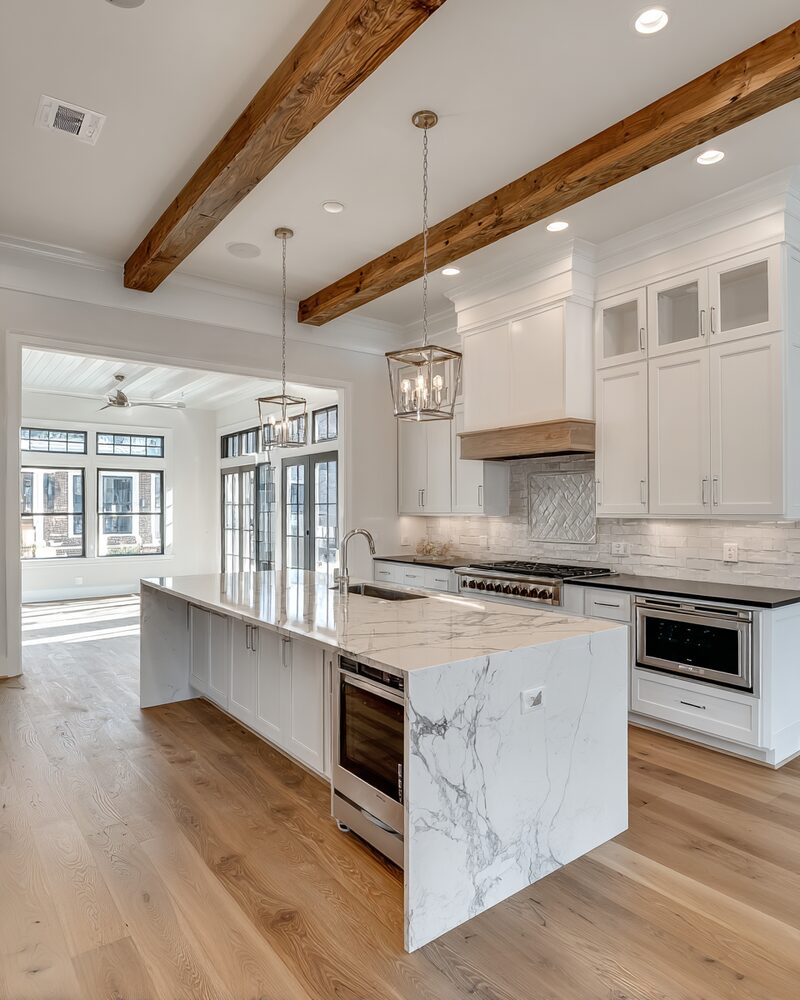
The Hall County GA real estate market has long been prized for its blend of small town character, access to regional job centers, and recreational assets like Lake Lanier. Whether you are planning to buy your first home, upgrade, downsize, or sell for top dollar, understanding the long term forces that support value here will help you make smarter decisions today and for years to come.
What makes Hall County different from fast-moving urban markets is a combination of lifestyle demand and steady economic supports. Strong schools, growing healthcare and service sectors, commuter access to Atlanta, and waterfront and suburban neighborhoods keep buyer interest consistent. For sellers that means there is an audience for well-priced, well-presented homes. For buyers it means properties with the right location and condition tend to hold or grow in value over time.
Key local factors to watch when buying or selling in Hall County GA real estate
Schools and attendance zones — School boundaries can significantly affect demand. Research current and projected attendance zones and consider long term resale in higher-demand zones such as those serving top-rated schools in the county.
Lake Lanier and waterfront access — Proximity to Lake Lanier, marinas, and waterfront neighborhoods adds a premium. Note floodplain and shoreline regulations that may affect insurance and future improvements.
Commute and employment hubs — Access to Gainesville, Flowery Branch, Oakwood, and major highways matters for commuting buyers. New job growth in healthcare, education, and technology-related services supports ongoing demand.
New construction and infill development — New neighborhoods deliver modern floor plans and amenities but also increase local inventory. Compare new builds against existing homes to determine where you get the best long-term value.
HOA rules and neighborhood amenities — HOA fees, amenities, and community rules impact resale and should be factored into pricing and buyer appeal.
Practical steps for sellers to maximize net proceeds
1. Price to the market, not to emotion. Use recent comparable sales in your immediate neighborhood, and account for condition and upgrades.
2. Invest in high return improvements. Fresh paint, updated light fixtures, and curb appeal improvements typically deliver strong returns. Avoid over-improving for your neighborhood.
3. Stage and photograph for online searching. Most buyers begin online; professional photography and virtual tours increase clicks and showings.
4. Consider a pre-list inspection. This reduces surprises in escrow and positions your property as transparent and buyer-ready.
5. Time the market to your goals. Spring brings more buyers and generally higher sale prices, while listing in off-peak seasons can lead to less competition and potentially faster negotiation windows.
Smart strategies for buyers in Hall County
1. Get mortgage pre-approval early. A solid pre-approval strengthens offers and speeds closing.
2. Prioritize essentials vs cosmetic wants. Location, roof, foundation, and systems should come before paint and staging—cosmetic fixes are often cheaper post-purchase.
3. Factor in insurance and taxes. Homes near lakes or in special districts may carry higher premiums. Check Hall County tax records and typical tax rates for the area you are considering.
4. Work with local experts. Local agents and inspectors spot county-specific issues like septic systems, well water, or flood zones faster than nonlocal providers.
5. Be ready to act when inventory is tight. Have your team in place and be prepared with earnest money and a clear negotiation plan.
Long term considerations for investors and second home buyers
Investors should evaluate both rental demand and seasonal fluctuations. Hall County's proximity to Lake Lanier and university or medical centers can generate steady rental interest, but local zoning, required permits, and short term rental regulations should be reviewed. For second home buyers, consider maintenance, property management, and market liquidity if you plan to resell later.
Data sources and tools that matter
Use county resources like the Hall County Tax Assessor, local school district maps, and permitting records to verify lot lines, flood zones, and planned
